Lamination is an important process in printing, packaging, paper processing, and various industrial applications. It involves applying a protective or decorative film to a suitable surface to improve its appearance, durability, and resistance to everyday handling. Businesses looking for a lamination machine manufacturer in Calcutta need equipment that matches their material, production volume, finishing requirements, and operational needs. Hindon Graphics is an industrial machinery company based in Ghaziabad, Uttar Pradesh. Customers looking for lamination machinery in Calcutta and nearby industrial areas can contact the company to enquire about available equipment, technical specifications, pricing, and application suitability. A suitable lamination machine can help businesses establish a more consistent finishing process and manage regular production requirements. Depending on the machine design, lamination may involve heat, pressure, adhesive, or a combination of these methods. Selecting the appropriate technology is essential for achieving a suitable finish and maintaining the quality of the laminated material.
What Is a Lamination Machine?
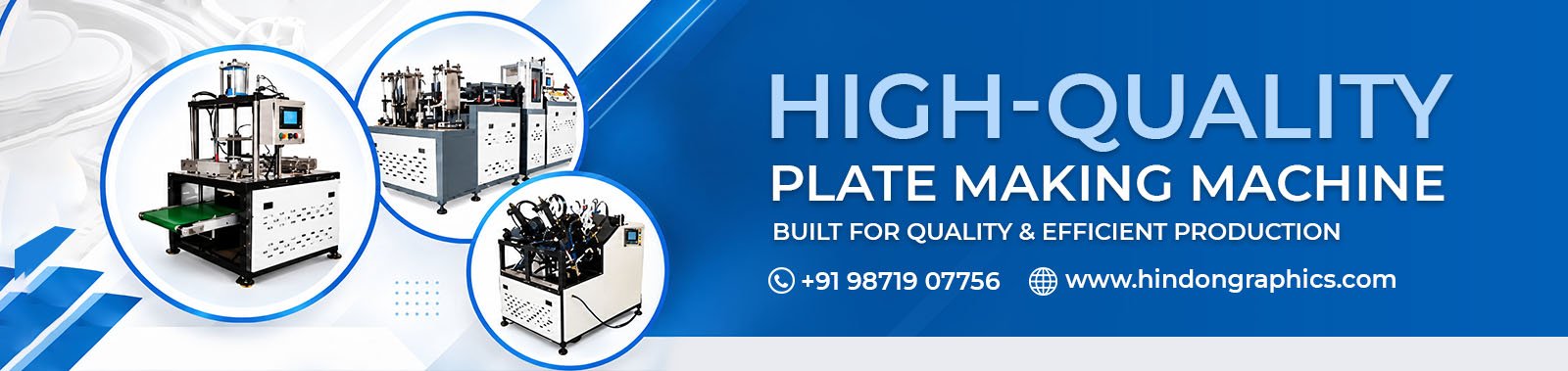
A lamination machine applies a protective or decorative layer to paper, board, printed sheets, or other compatible materials. The process can improve surface appearance and help protect the underlying material from scratches, moisture exposure, dust, and routine handling, depending on the film and application. Different lamination machines are designed for different purposes. Thermal lamination uses heat and pressure with compatible films, while cold lamination typically uses pressure-sensitive adhesive films without the same heat-based bonding process. Industrial laminators may also be designed for roll-to-roll or sheet-fed operations. The right machine depends on the type of material being processed, its width and thickness, the desired finish, and the expected production volume. Before purchasing equipment, businesses should confirm the machine's supported materials, operating method, and technical capabilities. Automatic Paper Bowl Plate Making Machine
Benefits of Using a Lamination Machine
- Lamination can help protect suitable paper products, printed sheets, and boards from everyday handling and surface wear. The level of protection depends on the film type, bonding quality, and intended application.
- Laminated materials can achieve different finishes, including gloss and matt effects, depending on the selected film. This can improve the presentation of printed materials, packaging components, covers, and other compatible products.
- Using suitable machinery helps businesses standardise the lamination process. Correct temperature, pressure, film alignment, and feeding procedures can support a uniform finish across production batches.
- Businesses processing printed sheets, paperboard, and other compatible materials often need equipment that can handle recurring orders. An appropriately selected machine can help organise the finishing workflow according to production requirements.
- Lamination technology is used in printing, publishing, packaging, stationery, and sign-making. The range of applications depends on the machine configuration and the materials it supports.
- A dedicated laminating machine can help businesses organise finishing operations and coordinate them with printing, cutting, binding, and packaging. The overall benefit depends on the production layout and the equipment selected.
Types of Lamination Machines
- A thermal laminator uses heat and pressure to bond compatible laminating film to a surface. It is commonly used for suitable printed sheets, paper products, and finishing applications. The film type and operating temperature must be compatible with the material being processed.
- Cold laminating machines use pressure-sensitive adhesive films. They are useful for suitable materials that require a finishing process without the heat used in thermal lamination. Film selection and surface preparation influence the final result.
- Roll-to-roll equipment processes continuous material from one roll to another. Depending on the configuration, it can be suitable for applications involving flexible media, printed films, and other compatible substrates.
- Sheet laminators process individual sheets of paper, board, or printed material. They are suitable for businesses that handle sheet-based production and require consistent finishing across individual items.
- Semi-automatic equipment may require manual loading or handling during certain stages. Automatic machines can automate additional processes, depending on their design. Businesses should compare loading methods, operating speed, controls, and labour requirements before choosing a model.
- Not every lamination machine supports all these applications. The available machine types and capabilities should be confirmed with the supplier.
Important Features to Consider Before Buying
- The working width determines the maximum material width the machine can process. Choose a width that accommodates your regular jobs and the largest materials you expect to laminate.
- Production speed affects how much material can be processed within a given period. Actual output depends on working width, material thickness, film type, operator handling, and machine settings.
- Thermal laminators require suitable heating and temperature control. Consistent settings help achieve appropriate film bonding and reduce finishing defects when used with compatible materials.
- Rollers apply pressure and help move the material through the machine. Their design, alignment, and condition can influence feeding performance and lamination quality.
- Confirm that the machine supports your intended paper, board, film, and material thickness. If you process several types of material, ask about the machine's adjustment range and operating requirements.
Lamination Machine Manufacturer in Calcutta
- Calcutta is an important commercial market for printing companies, packaging businesses, stationery manufacturers, and other industries that use finishing equipment. Businesses searching for a lamination machine manufacturer in Calcutta need machinery that suits their material specifications and production requirements. Hindon Graphics, based in Ghaziabad, Uttar Pradesh, offers industrial machinery solutions. Businesses in Calcutta, New Calcutta, and surrounding industrial areas can contact the company to enquire about available lamination equipment and discuss their intended applications.
When evaluating a supplier, consider the machine's construction, working width, compatible materials, operating method, maintenance requirements, and after-sales support. Buyers should also request a written quotation that clearly identifies the selected model and its included components. If your business already uses printing or packaging equipment, check whether the proposed laminator can fit into the existing production workflow. Space requirements, material movement, electrical connections, and operator access should all be considered before installation.